Figma's Blueprint: How Modern Product Teams Design for the Web
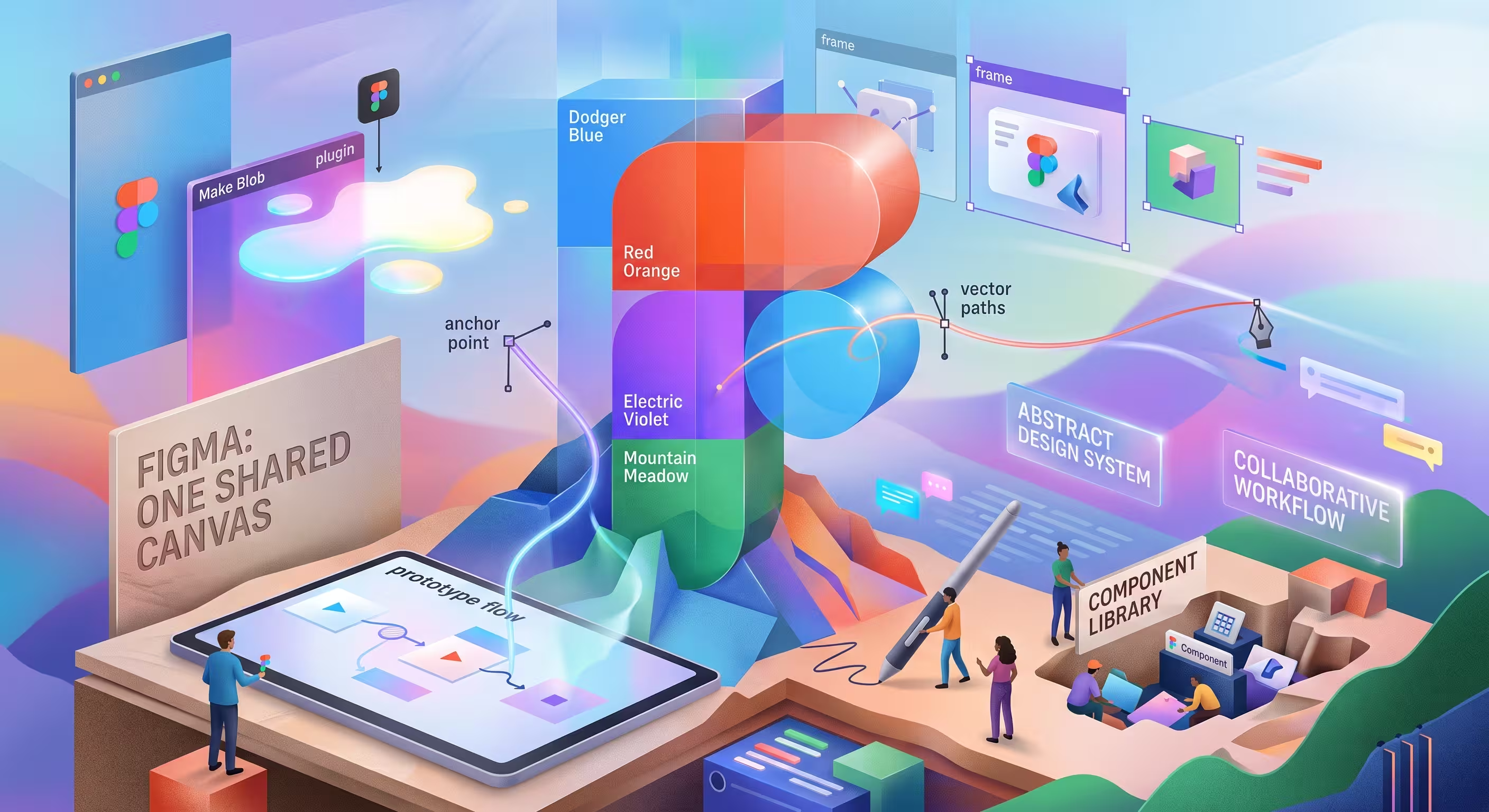
Figma has fundamentally reshaped web design by shifting the industry from isolated desktop software to a real-time, cloud-based collaborative environment. For professional designers and development teams, it serves as an all-in-one ecosystem for ideation, system design, prototyping, and handoff.
Core Workflow Pillars
• Real-Time Collaboration: Multiple designers, copywriters, and stakeholders work on the same canvas simultaneously, drastically reducing feedback loops and eliminating version-control confusion.
• Design Systems & Component Libraries: Teams build reusable UI elements (buttons, navigation bars, modal cards) that maintain global consistency. Updating a single master component instantly updates every instance across the site.
• Responsive Layout Engines: Tools like Auto Layout allow designers to construct interfaces that adapt dynamically to different screen sizes, mirroring CSS Flexbox behaviors directly within the visual editor.
• Interactive Prototyping: Designers craft complex user flows with micro-interactions, realistic transitions, and smart animations to simulate the final product before writing a line of code.
• Streamlining the Developer Handoff
The bridge between design and code is traditionally where detail gets lost. Figma resolves this through dedicated inspect modes and integrated Dev Mode, allowing developers to inspect layers for exact spacing, retrieve production-ready CSS, export assets, and track changes directly alongside the visual canvas.
By unifying every stage of product creation—from structural wireframes to code-ready specifications—Figma has evolved from a visual editor into the foundational operating system for web design.